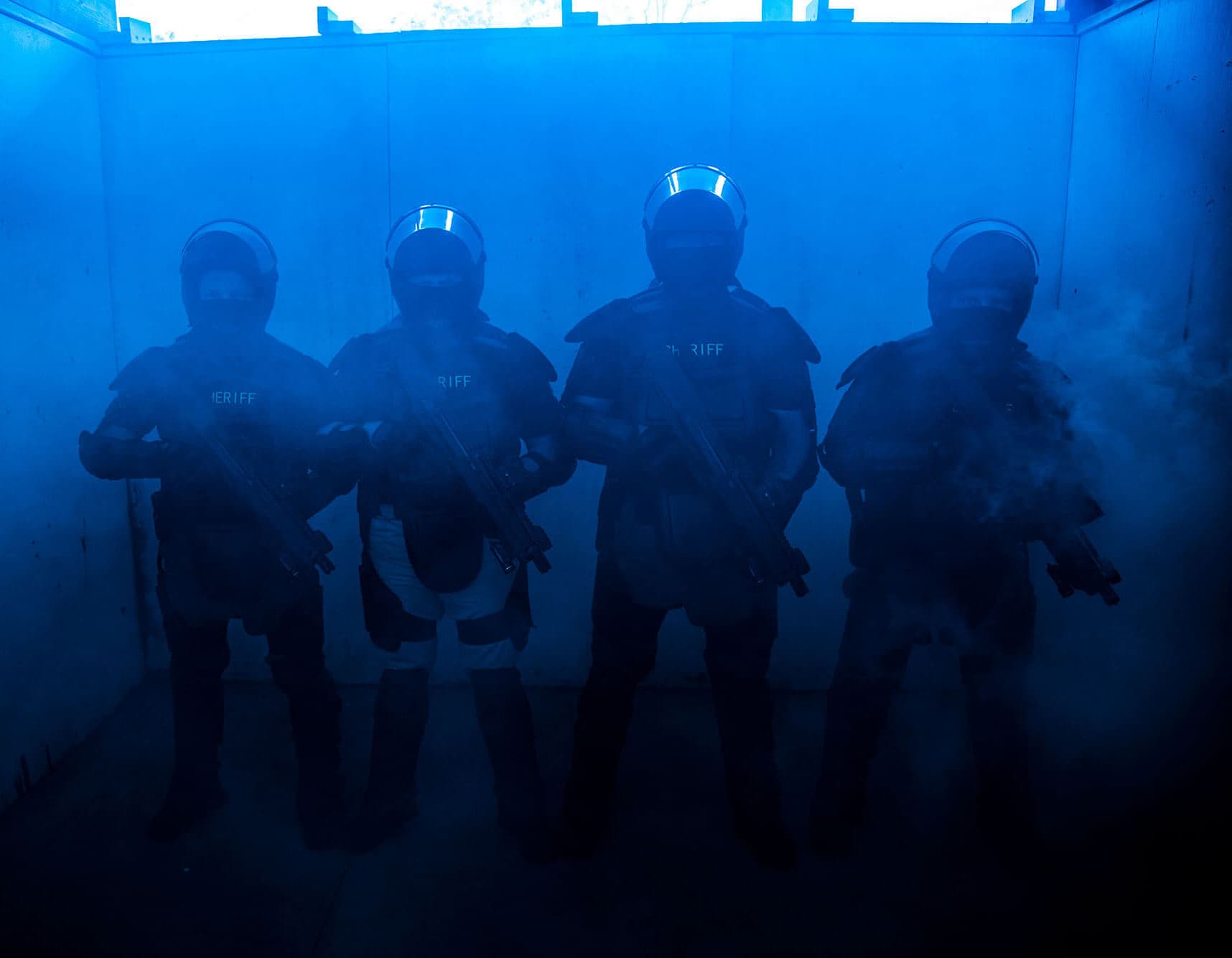
Officers who trained on older riot gear often have a clear memory of what restricted mobility feels like: the inability to fully extend an arm, difficulty transitioning between standing and kneeling positions, and the mechanical awkwardness of moving quickly in gear that was not designed for it. This experience shaped a lasting skepticism about riot gear as an obstacle rather than an asset. Modern suit design has substantially addressed these limitations.
Articulated Joints Make the Difference
The key design change that separates modern riot suits from earlier generations is articulated joint protection. Rather than rigid panels that span joint locations, well-designed riot suits use segmented, articulated panels that allow the joint to move through its natural range while maintaining coverage throughout that range. The difference in practical mobility is significant. Officers who have worn the Patrol suit for the first time often report being surprised at how natural the movement feels compared to what they expected from riot gear.
Weight Distribution and Fatigue
Mobility under load is not just about joint range of motion. It is also about how fatigue accumulates over the course of a deployment. Gear that is heavy in the wrong places, specifically at the extremities and cantilevered from the shoulders, creates fatigue that limits effective mobility long before the officer reaches their actual physical limit. Well-distributed weight that sits close to the body's center of gravity maintains mobility for longer.
PoliceOne has published evaluations of officer fatigue during sustained deployments noting that gear weight and distribution are primary predictors of performance degradation over time, ahead of total deployment duration in many cases.
Testing Mobility Before Deployment
Mobility claims should be verified in realistic conditions before purchase. A T&E evaluation that puts officers through their actual operational movements, including transitions, vehicle entry and exit, physical confrontation drills, and sustained formation holding, will reveal whether a suit's mobility claims hold up in practice. Haven Gear's T&E program is designed to put gear through exactly these tests with your officers before any purchase commitment.