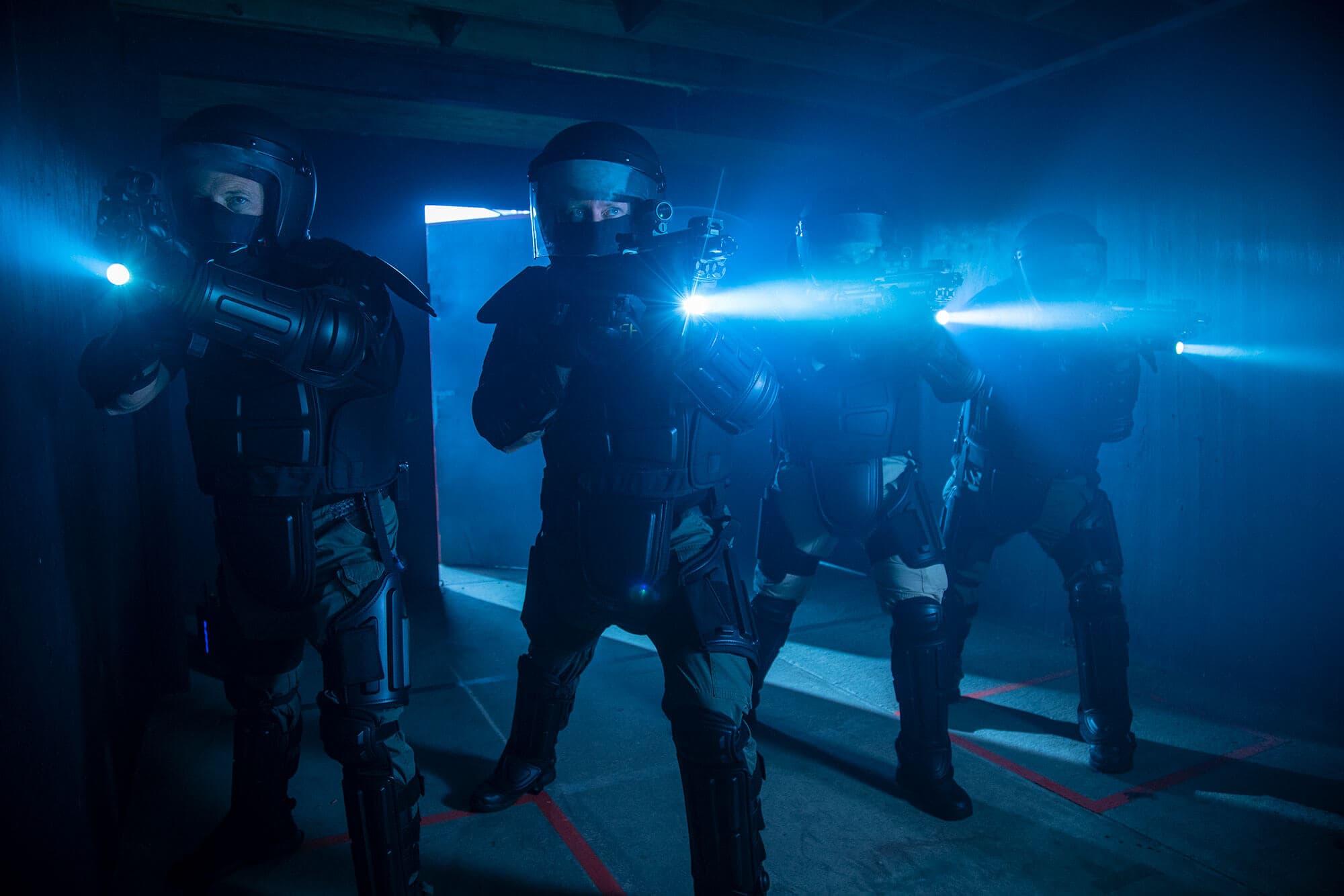
The case for tactical armor in law enforcement is not based on theoretical protection claims. It is based on decades of incident data documenting reduced injury severity in cases where officers were wearing appropriate protective equipment compared to incidents where they were not. The research is consistent enough that the argument against investing in quality armor is difficult to make in good faith.
What the Data Shows
The National Institute of Justice's ongoing officer safety research documents multiple categories of injury outcomes where protective armor has measurably reduced severity or prevented injury entirely. Impact injuries during crowd control operations, bladed weapon injuries in corrections settings, and projectile injuries in warrant service situations all show better outcomes in cases with appropriate protective equipment. The magnitude of the difference is not marginal.
The Fit and Maintenance Factor
The research also consistently shows that armor that does not fit properly or is not maintained in good condition does not deliver the protection outcomes that properly fitted, maintained gear does. An officer wearing a riot suit with cracked panels and loose straps is not receiving the protection that the suit's rated coverage would suggest. Departments that include fit verification and regular inspection in their armor program protocols demonstrate better protection outcomes than those that do not.
Riot-Specific Armor Versus General Body Armor
General body armor and riot-specific armor address different threat profiles. General body armor is designed primarily for ballistic protection. Riot armor, such as the Enforcer MP, is designed for impact, blunt force, fire, and chemical threats, with ballistic integration available as a layer. Officers who need both protection types need an integrated system, not two separate systems worn simultaneously.
Armor Across Deployment Types
The armor selection for an officer should match the deployment type. The Patrol suit for standard crowd management. The Enforcer MP for high-risk deployments. The mounted rider suit for equestrian operations. A one-size-fits-all approach to armor selection compromises either protection or mobility depending on which direction the trade-off goes. See the full suit lineup →