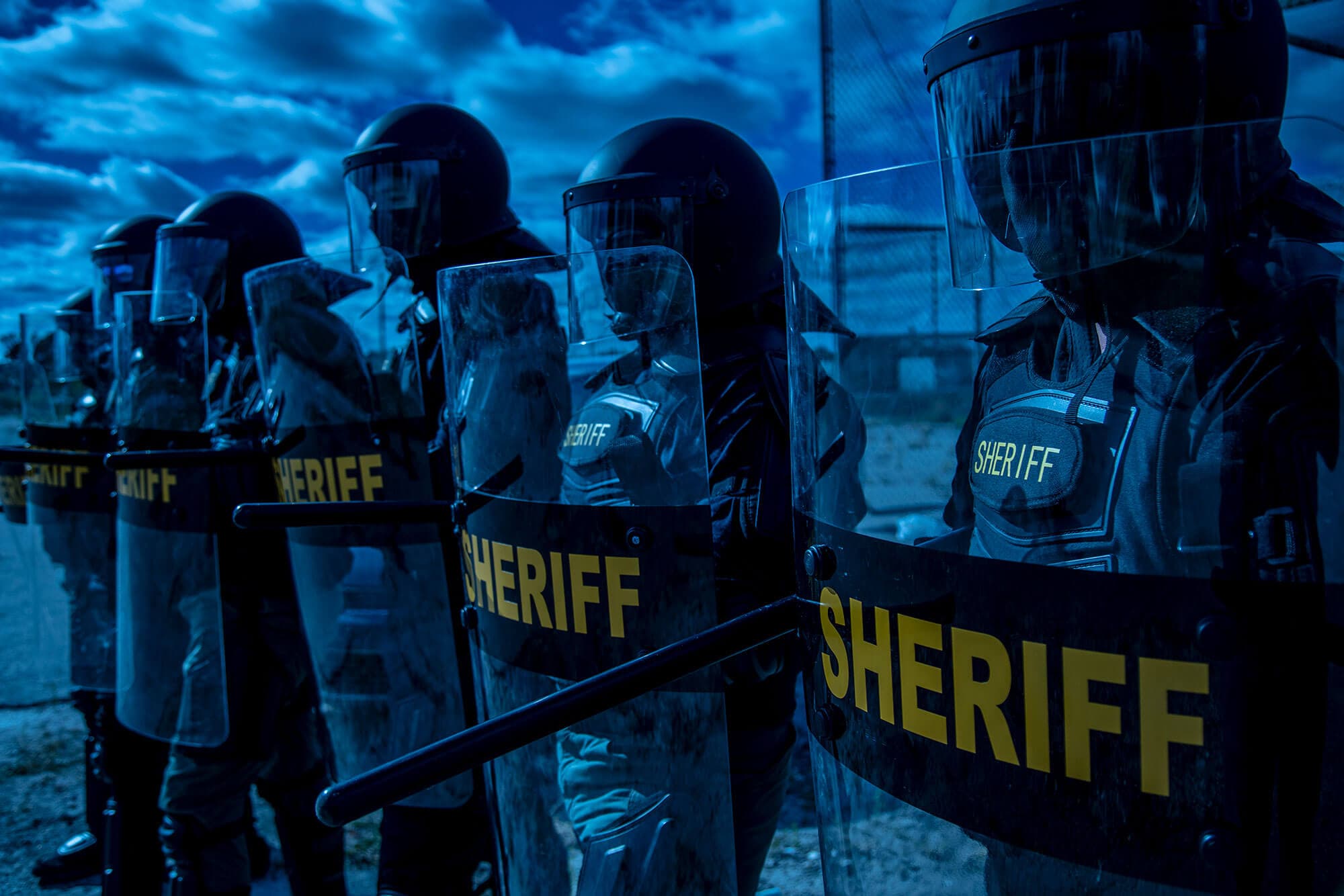
Confidence in high-stakes law enforcement situations is not bravado. It is the product of thorough training, demonstrated equipment performance, and sufficient operational experience to know that your preparation is adequate for what you are facing. Building this kind of confidence in officers requires deliberate investment in all three components.
Training as a Confidence Builder
Officers who have trained extensively in realistic, high-stress scenarios enter actual operations with a reference point. They have been through situations that replicated the stress, the uncertainty, and the physical demands of real deployments. Their nervous system knows, in a functional sense, that they survived the training and performed adequately. This is the most reliable foundation for operational confidence. PoliceOne has published extensive research on stress inoculation training in law enforcement, documenting that officers with high-fidelity training backgrounds show significantly better decision-making under stress than those with lower-fidelity training histories.
Equipment Familiarity and Trust
Officers who know from training experience exactly how their gear performs, including the Enforcer MP's protection envelope, the feel of operating in the gloves they will be wearing, and the field of vision provided by the HG-HMAT helmet, have one less category of uncertainty in an operational situation. Uncertainty consumes cognitive resources. Eliminating gear-related uncertainty through thorough training and T&E evaluation frees those resources for situational assessment.
Unit Confidence and Cohesion
Individual officer confidence is amplified by unit confidence and cohesion. Officers who trust their teammates, who have trained together in their actual gear configurations, and who have established communication and coordination protocols are more effective as a unit than equally capable officers who lack that cohesion. Joint training in riot gear, using the actual equipment officers will use operationally, builds both individual confidence and unit cohesion simultaneously.