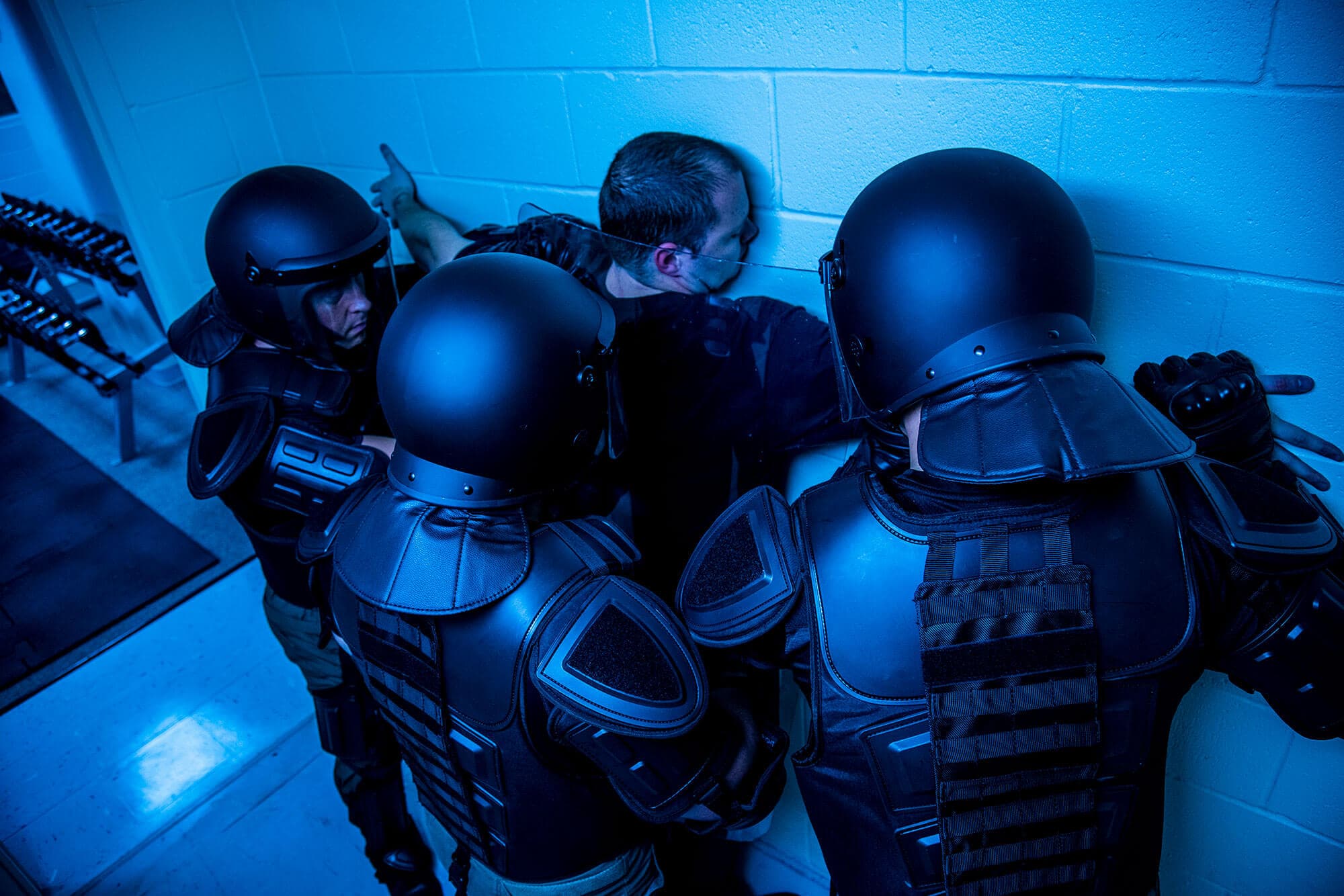
Officer safety in high-risk situations depends on a combination of factors that all interact. Gear selection matters. Training matters. Situational awareness matters. Unit coordination matters. Focusing on any one of these to the exclusion of the others produces an incomplete safety picture. Here are practical safety practices across these dimensions that are grounded in what actually works in the field.
Always Wear Your Assigned Gear
The most common gear-related failure in law enforcement safety is gear that is issued but not worn. Officers who remove helmets because they are uncomfortable, skip gloves because they reduce dexterity, or forego limb protection because it is inconvenient are making a calculation that trades immediate comfort for potential injury. The incidents where this trade-off matters most are not predictable. Consistent gear wear for assigned deployments is the only reliable approach. NIJ officer safety research consistently identifies gear non-compliance as a preventable factor in officer injuries.
Know Your Gear's Limitations
Riot gear is not invulnerable. Knowing what your gear is rated against and what it is not rated against affects operational decision-making. An officer who knows their Patrol suit is appropriate for managed crowd situations but not for situations with projectile fire makes better deployment decisions than one who assumes any riot gear covers all threats.
Maintain Situational Awareness Under Gear Constraints
Helmets reduce peripheral vision. Gloves reduce tactile feedback. Hearing is affected by helmet coverage. Officers need to compensate for these reductions through deliberate scanning patterns, increased reliance on unit communication, and pre-established threat acknowledgment signals. These adaptations should be trained in full gear, not assumed to transfer automatically from standard patrol habits.
Maintain Hydration Throughout Deployment
Physical performance, decision-making quality, and heat tolerance all degrade with dehydration. Structured hydration, using integrated systems like those in the Enforcer MP or scheduled breaks for external hydration, maintains operational performance through extended deployments better than relying on officers to self-regulate.