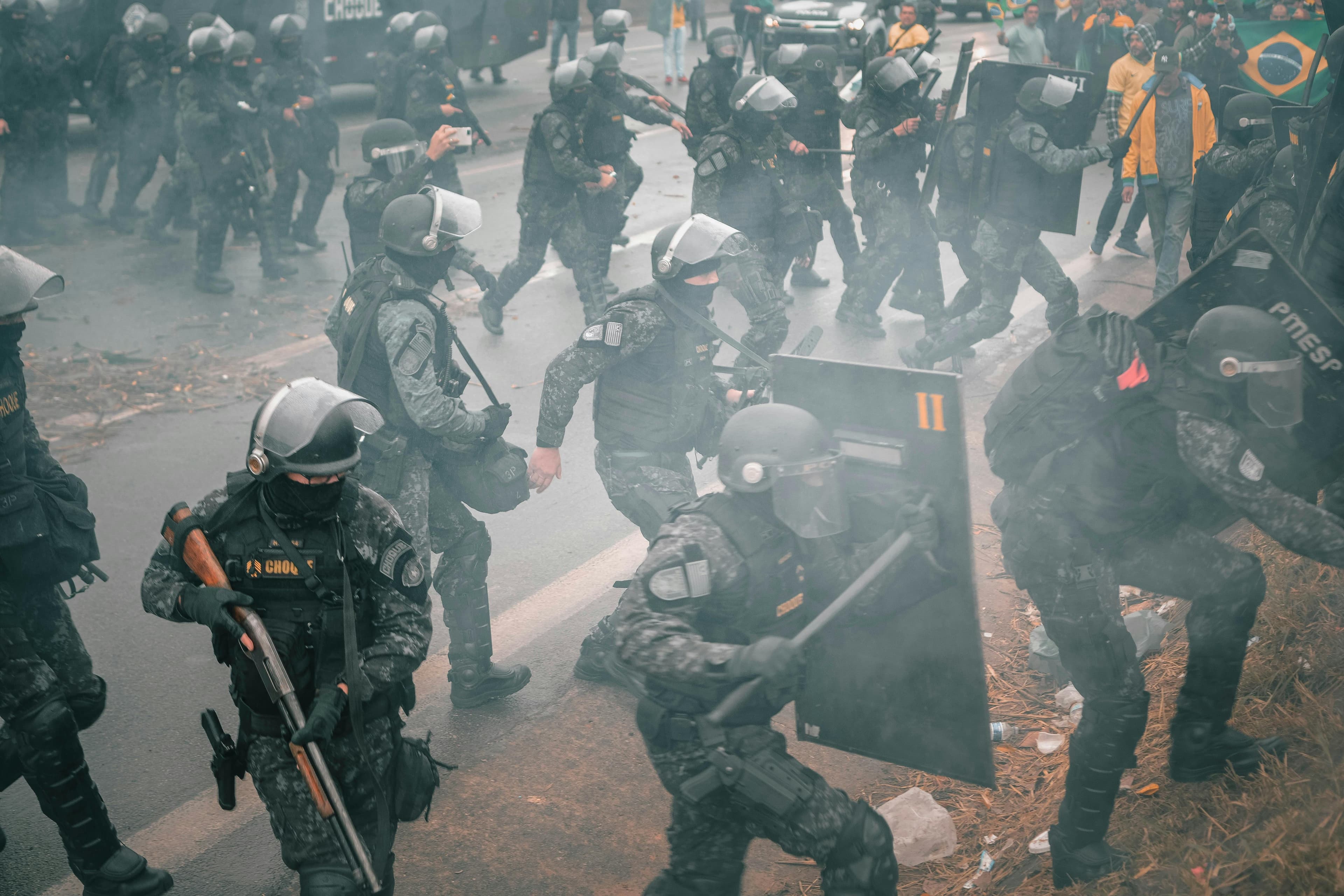
The use-of-force continuum provides a framework for understanding the escalation levels of law enforcement response and the appropriate tools and techniques at each level. Riot gear fits into this framework in a specific way: it is the equipment layer that enables officers to respond at lower force levels by providing protection that allows control-based responses when officers would otherwise need to escalate to more forceful measures to maintain safety.
Gear as an Enabler of Proportional Response
An officer facing a physical threat without adequate protection has fewer options available at lower force levels than an officer who is properly equipped. A protected officer can use control techniques and defensive positioning that an unprotected officer cannot safely employ. This means that properly equipped officers can maintain compliance with use-of-force policy at lower force levels in situations that would otherwise require escalation. The gear enables the proportional response by making lower-force options survivable.
The National Institute of Justice has published research on the relationship between officer protective equipment and use-of-force outcomes, documenting that better-equipped officers show lower rates of high-force-level responses in crowd control situations.
Visible Deployment and De-Escalation
The visible deployment of riot-equipped officers communicates the department's readiness to maintain order, which has a documented de-escalation effect in crowd situations. A crowd that sees a prepared, equipped line of officers is less likely to escalate than one that sees unprepared or inadequately equipped officers. This is a use-of-force continuum benefit of proper equipment that operates before any physical force is used. Haven Gear's full-coverage suit systems provide the professional, capable appearance that supports this effect.
Documentation and Policy Compliance
Departments that deploy officers in certified, documented protective equipment are in a better position for use-of-force accountability review. When force decisions are reviewed, the protection level available to the officer is a relevant contextual factor. Properly documented gear, with certification standards cited and maintenance records maintained, supports rather than undermines accountability review. The Department of Justice's use-of-force policy guidance addresses the documentation practices that support appropriate accountability.